
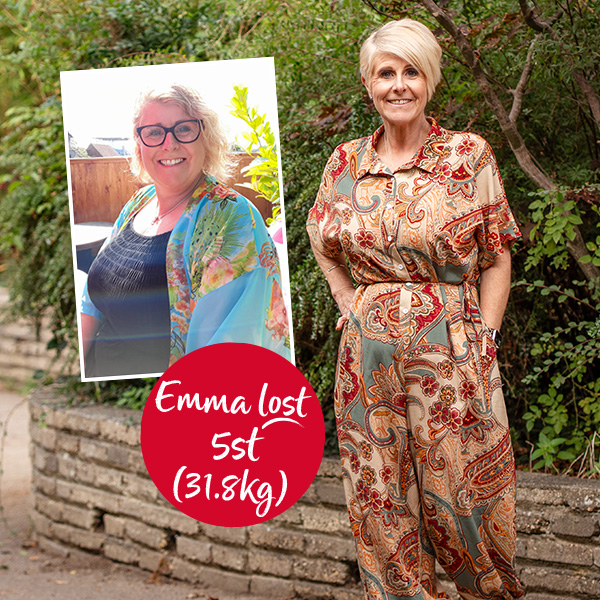

Menopause is a natural stage of life that affects every woman differently, yet many women say the hormonal changes and symptoms associated with perimenopause and menopause can make managing their weight feel more difficult. Symptoms such as fatigue, poor sleep, low mood and changes in body shape can all impact healthy habits and confidence.
At Slimming World, our members get expert support during this challenging time – with 79% of surveyed members who are either experiencing the perimenopause or have gone through menopause having successfully lost weight while following our plan*.
Read more about our menopause research
Slimming World registered nutritionist, Alexandra Clark, says, “While menopause can bring changes that make weight management feel more challenging, it’s important to remember that weight gain isn’t inevitable. Small, sustainable changes to eating habits, activity levels and sleep routines can have a powerful impact. By focusing on nourishing foods, staying active in a way that feels achievable and seeking support when needed, it’s absolutely possible to lose weight and improve your health during menopause and beyond.
The support our members find at Slimming World helps them feel healthier, confident and in control throughout this life stage. With tailored support, a wealth of resources and practical tips, members can manage symptoms, maintain a healthier weight and build lasting positive lifestyle habits.”
Watch Alexandra talking more about menopause and weight during our recent Slimming World Live event, the menopause conversation.
Slimming World members can watch the full 30 minute Q&A as part of their membership package on demand.

Six expert tips to help manage weight during menopause
1. Weight gain doesn’t have to be inevitable
Menopause can make weight management feel more difficult due to hormonal changes and shifts in body composition, but gaining weight isn’t a foregone conclusion. Our research shows many women around menopausal age lose weight just as successfully as younger women.
2. Prioritise protein at every meal
Protein helps you feel fuller for longer and plays a vital role in maintaining muscle mass, which naturally declines with age and during menopause. Try to include a protein-rich food at each meal, such as eggs, Greek-style yogurt, lean meat, fish, beans, lentils or tofu.
Discover how the Slimming World plan supports a protein-rich diet
3. Protect your sleep
Tiredness, night sweats and sleep disruption are common during perimenopause, and poor sleep can affect food choices, hunger levels and motivation to be active the next day. Focusing on healthy sleep habits can make a real difference to weight-loss efforts.
More for members: Our Snooze more, lose more article is full of advice for a better night’s sleep – including tired-day tactics to prevent pressing pause on your weight loss.
3. Move more, especially with strength-building activities
Regular activity helps preserve muscle mass, supports metabolism and boosts mood. Strength-building activities such as Pilates, yoga, using weights or even carrying heavy shopping can be particularly beneficial during and after menopause.
More for members: Click here for activity workouts that are suitable for all abilities, including seated exercises.
4. Fill your plate with foods that support health during the menopause
Foods containing phytoestrogens, including soya products, chickpeas, lentils and flaxseeds, may help ease symptoms for some women. Alongside this, focus on calcium-rich foods for bone health and plenty of fruit, vegetables and fibre to support heart health.
Explore our flexible healthy eating plan, Food Optimising
5. Don’t go it alone
Menopause can affect energy levels, confidence, mood and motivation. Seeking support, whether from healthcare professionals, friends, family or a weight-loss community, can make it easier to stay consistent and navigate the challenges this stage of life can bring.
Read more about how Slimming World supports members during perimenopause and menopause here
“I lost 5st (31.8kg) during menopause… you don’t have to face it alone.”
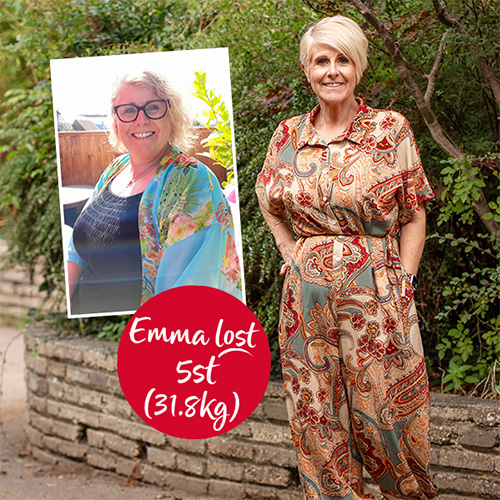
Emma Artemiou, 51, weighed 13st 6lbs when she rejoined Slimming World in September 2021. Today, she weighs 8st 6lbs and says she feels 25 again!
“Menopause hit me harder than I expected. Alongside hot sweats, mood changes and weight gain, I lost confidence and started struggling with brain fog.
I think a lot of women worry that once they reach menopause, losing weight just isn’t possible anymore. Yet the biggest thing I’ve learned is that it is possible and, for me, it became much easier when I stopped trying to face it alone.
I was so nervous that it took me three weeks to walk through the Slimming World doors. My Consultant Lacey put me at ease straight away and I was thrilled to lose 9lb in my first month. Being part of the group gave me the tools, support and accountability I needed to succeed – and the encouragement from other members was invaluable.
The improvement in my health and my outlook on life has been incredible. Most importantly, I’m able to play with my gorgeous two-year-old granddaughter, Margo.
Losing 5st has made such a difference to my life that I’ve been inspired to use my own experience to help others lose weight during menopause, as a Slimming World Consultant. I’m proof that it is possible on the Slimming World plan!”
Read Emma’s full weight loss and menopause story here
More help for weight loss in menopause
Slimming World members will find a full list of foods and extra advice on managing the menopause through diet and exercise in this article.
Our 7-day menopause menu
We’ve put together a special meal plan, packed with foods that can support your health and help manage symptoms during menopause. Slimming World members can get this menu here.
*A poll of 2,472 Slimming World members
**If your symptoms are affecting your day-to-day life, talk to your doctor about the support and medical treatments available. Talking things through with your GP will help you find the right, personalised approach for you.